Recognising the warning signs can help protect your heart
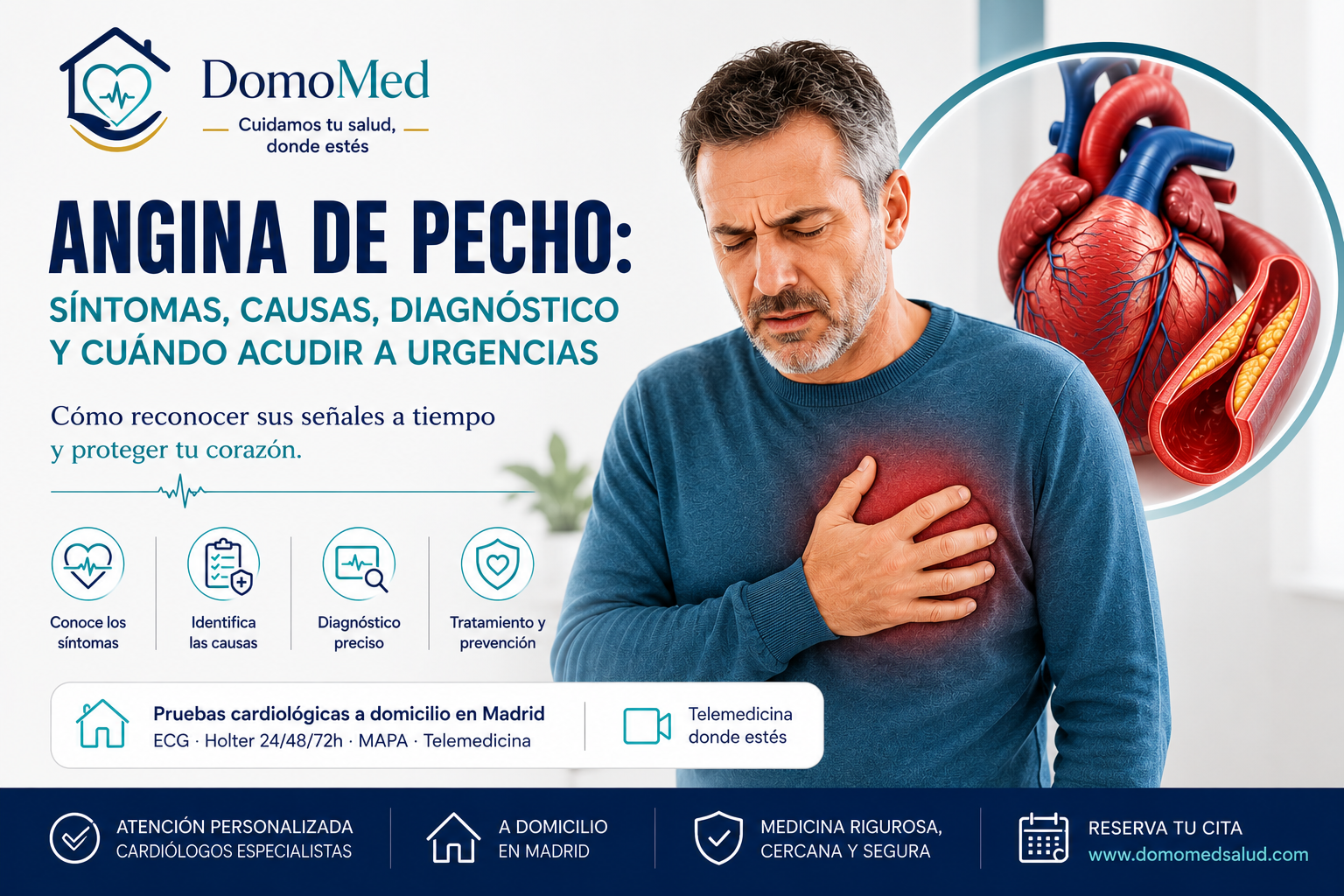
Chest pain is one of the most common reasons people seek emergency medical care. While many episodes are not caused by heart disease, chest pain should never be ignored—especially when it is new, severe or associated with other warning symptoms.
One of the most frequent cardiac causes of chest pain is angina, a condition that occurs when the heart muscle does not receive enough oxygen-rich blood to meet its needs.
Angina often feels like pressure, tightness, heaviness or burning in the centre of the chest. The discomfort may spread to the left or right arm, shoulders, neck, jaw, back or upper abdomen. Some people also experience shortness of breath, sweating or unusual fatigue.
Recognising angina early is important because it may indicate underlying coronary artery disease and an increased risk of heart attack.
In this evidence-based guide, we explain what angina is, how to recognise its symptoms, how it differs from a heart attack and when emergency medical assessment is essential.
What is angina?
Angina is not a disease itself, but a symptom of myocardial ischaemia.
Myocardial ischaemia occurs when the heart muscle requires more oxygen than the coronary circulation can deliver.
The most common cause is atherosclerosis, where cholesterol-rich plaques narrow the coronary arteries and reduce blood flow to the heart.
However, modern cardiology recognises that angina is not always caused by blocked arteries.
According to the latest European Society of Cardiology (ESC) guidelines, chest pain may also result from:
- Coronary microvascular dysfunction.
- Coronary artery spasm (vasospastic angina).
- Functional coronary disorders.
- Increased oxygen demand caused by conditions such as severe anaemia or rapid heart rate.
For this reason, some patients experience typical angina symptoms despite having little or no obstructive coronary artery disease.
What does angina feel like?
People describe angina in many different ways.
Typical symptoms include:
- Pressure or tightness in the centre of the chest.
- A heavy weight on the chest.
- Burning discomfort.
- A squeezing sensation.
- Pain spreading to one or both arms.
- Pain radiating to the shoulders, neck or jaw.
- Discomfort in the upper back or upper abdomen.
- Shortness of breath during physical activity.
Many patients say it feels more like pressure than sharp pain.
Symptoms often develop gradually over several minutes and usually improve when the heart’s workload decreases.
Typical and atypical symptoms
Although chest discomfort remains the most common symptom, not everyone experiences angina in the same way.
Women, older adults and people with diabetes may present with less typical symptoms such as:
- Breathlessness.
- Unusual fatigue.
- Nausea.
- Sweating.
- Pain in the jaw.
- Neck discomfort.
- Upper back pain.
- Pain in the upper abdomen.
- General weakness.
Because these symptoms may be subtle, diagnosis can sometimes be delayed.
Stable angina
Stable angina follows a predictable pattern.
It usually:
- Occurs during physical exertion.
- Appears during emotional stress.
- May be triggered by cold weather or heavy meals.
- Improves within a few minutes of rest.
- Often responds to prescribed glyceryl trinitrate (nitroglycerin).
Although symptoms are predictable, stable angina should always be medically evaluated because it usually reflects underlying coronary artery disease.
Unstable angina
Unstable angina is considered a medical emergency.
It may:
- Occur at rest.
- Wake a person from sleep.
- Last longer than previous episodes.
- Become progressively more frequent.
- Require less physical activity to trigger symptoms.
- Fail to improve with rest or usual medication.
Unstable angina belongs to the spectrum of acute coronary syndromes and may precede a heart attack.
Anyone experiencing these symptoms should seek urgent medical assessment.
Vasospastic angina
Vasospastic angina (also known as Prinzmetal angina) occurs when a coronary artery suddenly narrows because of temporary spasm.
Episodes often:
- Occur at rest.
- Develop during the night or early morning.
- Cause significant chest pain despite little or no fixed coronary narrowing.
Appropriate diagnosis is important because treatment differs from that of classic obstructive coronary artery disease.
Microvascular angina
Some patients experience angina because the small coronary blood vessels do not function normally.
This condition is known as microvascular angina.
Symptoms may include:
- Chest pain during exercise.
- Chest pain at rest.
- Breathlessness.
- Reduced exercise tolerance.
- Persistent symptoms despite apparently normal coronary arteries.
Microvascular angina forms part of the modern concepts known as ANOCA (Angina with Non-Obstructive Coronary Arteries) and INOCA (Ischaemia with Non-Obstructive Coronary Arteries), which receive increasing attention in current international guidelines.
Could chest pain be caused by something else?
Not every episode of chest pain originates from the heart.
Other possible causes include:
- Acid reflux (heartburn).
- Muscle or rib pain.
- Lung conditions.
- Anxiety or panic attacks.
- Gallbladder disease.
- Oesophageal disorders.
However, it is impossible to distinguish all causes based on symptoms alone.
If chest pain is severe, prolonged or accompanied by warning signs, emergency medical assessment is essential.
Looking after your heart starts with understanding your symptoms
Chest pain should never be ignored, especially if you have cardiovascular risk factors such as:
- High cholesterol.
- High blood pressure.
- Diabetes.
- Smoking.
- Obesity.
- A family history of heart disease.
You may also find these evidence-based guides helpful:
At DomoMed Salud, we provide home cardiology assessments, ECG, Holter monitoring and telemedicine consultations in Madrid, helping patients investigate cardiovascular symptoms while receiving personalised specialist care.
Learn more about our Home Cardiology Tests or contact our team
Angina vs Heart Attack: What Is the Difference?
Many people use the terms angina and heart attack interchangeably, but they are not the same condition.
Both result from reduced blood flow to the heart muscle, yet they differ in severity and consequences.
In stable angina, blood flow is temporarily reduced but usually recovers before permanent damage occurs.
A heart attack (myocardial infarction) occurs when blood flow is blocked for long enough to cause irreversible injury to the heart muscle.
As a general guide:
| Stable Angina | Heart Attack or Unstable Angina |
|---|---|
| Usually triggered by physical activity or emotional stress | May occur at rest |
| Improves within a few minutes of resting | Often lasts longer than 10–15 minutes |
| Usually responds to prescribed nitroglycerin | May not improve with rest or medication |
| Predictable pattern | New, worsening or unusually severe symptoms |
| Usually no permanent heart muscle damage | Permanent heart muscle injury may occur |
It is important to remember that it is not always possible to distinguish angina from a heart attack at home.
If chest pain is severe, persistent or associated with warning symptoms, emergency medical attention should be sought immediately.
When should you seek emergency medical care?
Chest pain should never be ignored when it is different from your usual symptoms.
Seek urgent medical assessment if chest discomfort:
- Occurs at rest.
- Is new or significantly more severe than previous episodes.
- Lasts more than a few minutes.
- Returns repeatedly over a short period.
- Does not improve with rest or prescribed nitroglycerin.
- Is accompanied by shortness of breath.
- Causes cold sweats, nausea or vomiting.
- Is associated with dizziness or fainting.
- Spreads to the arm, jaw, neck, shoulder or back.
Early diagnosis and treatment are essential because every minute counts during an acute coronary syndrome.
What causes angina?
The most common cause is coronary artery disease, where cholesterol-rich plaques gradually narrow the coronary arteries.
However, angina may also result from:
- Coronary artery spasm.
- Coronary microvascular dysfunction.
- Severe anaemia.
- Rapid heart rhythm disorders.
- Severe uncontrolled hypertension.
- Aortic valve disease.
- Hypertrophic cardiomyopathy.
- Cocaine or stimulant drug use.
Modern cardiology increasingly recognises that not all angina is caused by obstructive coronary artery disease.
Who is at higher risk?
Several factors increase the likelihood of developing coronary artery disease and angina.
These include:
- High LDL cholesterol.
- High blood pressure.
- Diabetes mellitus.
- Smoking.
- Obesity.
- Physical inactivity.
- Chronic kidney disease.
- Increasing age.
- Family history of premature cardiovascular disease.
Many of these conditions occur together.
For example, patients with both high cholesterol and high blood pressure have a significantly greater cardiovascular risk than those with either condition alone.
How is angina diagnosed?
Diagnosis begins with a detailed medical history and physical examination.
Your cardiologist will ask about:
- The location of the pain.
- Its duration.
- Factors that trigger or relieve symptoms.
- Associated symptoms.
- Previous medical conditions.
- Cardiovascular risk factors.
Additional investigations help determine whether symptoms are caused by coronary artery disease or another condition.
Electrocardiogram (ECG)
An ECG records the heart’s electrical activity.
It may detect:
- Evidence of reduced blood flow.
- Previous heart attacks.
- Heart rhythm abnormalities.
- Other cardiac conditions.
A normal ECG does not exclude coronary artery disease, particularly when symptoms are intermittent.
Blood tests and cardiac troponin
When an acute coronary syndrome is suspected, blood tests are performed to measure cardiac troponin.
Troponin is a highly sensitive marker of heart muscle injury and plays a central role in diagnosing heart attacks.
Echocardiography
An echocardiogram uses ultrasound to assess:
- Heart muscle function.
- Heart valves.
- Pumping capacity.
- Areas of reduced movement that may suggest previous or ongoing ischaemia.
It also helps identify other causes of chest pain.
CT Coronary Angiography (CTCA)
Current ESC guidelines increasingly recommend CT Coronary Angiography as an important non-invasive investigation for patients with suspected chronic coronary syndrome.
CTCA allows doctors to:
- Visualise coronary arteries.
- Detect atherosclerotic plaques.
- Assess the severity of coronary narrowing.
For many patients, CTCA has become the preferred first-line imaging test.
Functional stress testing
When appropriate, doctors may recommend tests that assess how the heart performs during stress.
These include:
- Stress echocardiography.
- Stress cardiac MRI.
- Nuclear myocardial perfusion imaging.
- Exercise stress testing in selected patients.
These investigations help determine whether reduced blood flow is responsible for symptoms.
Coronary angiography (Cardiac catheterisation)
Coronary angiography remains the gold standard for evaluating coronary artery disease.
It is generally recommended for patients with:
- High-risk symptoms.
- Abnormal non-invasive tests.
- Persistent angina despite treatment.
- Suspected acute coronary syndrome.
If significant narrowing is identified, treatment such as coronary angioplasty with stent implantation may be performed during the same procedure.
Do all patients with chest pain need a cardiac catheterisation?
No.
Current international guidelines recommend an individualised diagnostic approach.
Many patients can be safely evaluated using:
- Clinical assessment.
- ECG.
- Blood tests.
- CT Coronary Angiography.
- Functional imaging.
Cardiac catheterisation is reserved for patients in whom it is most likely to influence treatment decisions.
Investigating chest pain early can improve outcomes
Not every episode of chest pain requires invasive investigations.
However, early assessment is essential to identify patients who may benefit from further testing or treatment.
At DomoMed Salud, we offer:
If you have experienced chest discomfort or would like a cardiovascular assessment, you can contact the DomoMed team or learn more about our Home Cardiology Tests.
Treatment of Angina
The treatment of angina has two main goals:
- Relieve symptoms and improve quality of life.
- Reduce the risk of heart attack, stroke and cardiovascular death.
The most appropriate treatment depends on the cause of the angina, the severity of symptoms and the presence of coronary artery disease.
Lifestyle changes: the foundation of treatment
Healthy lifestyle habits remain one of the most effective ways to improve cardiovascular health.
Current international guidelines recommend:
- Stop smoking.
- Maintain healthy blood pressure.
- Control cholesterol levels.
- Manage diabetes effectively.
- Follow a Mediterranean-style diet.
- Exercise regularly according to medical advice.
- Maintain a healthy body weight.
- Limit alcohol consumption.
- Sleep adequately.
- Take prescribed medication consistently.
These measures not only reduce angina symptoms but also lower the long-term risk of cardiovascular events.
If excess weight is contributing to your cardiovascular risk, you may also wish to read our evidence-based comparison of Semaglutide vs Tirzepatide.
Medications used to treat angina
Several medications can reduce angina symptoms and improve quality of life.
Depending on the underlying cause, treatment may include:
- Beta-blockers.
- Calcium channel blockers.
- Long-acting nitrates.
- Short-acting nitroglycerin for symptom relief.
- Ranolazine.
- Other anti-anginal medications.
Treatment should always be individualised.
Patients with vasospastic angina or microvascular angina often require different therapeutic strategies from those with obstructive coronary artery disease.
Preventing future cardiovascular events
Patients with coronary artery disease often require medications that reduce the risk of future heart attacks and strokes.
Depending on individual circumstances, treatment may include:
- Statins or other lipid-lowering therapies.
- Antiplatelet medication when indicated.
- Blood pressure treatment.
- Diabetes management.
- Lifestyle modification.
Prevention is just as important as symptom control.
Coronary angioplasty (PCI)
If a significant coronary narrowing is identified, doctors may recommend Percutaneous Coronary Intervention (PCI), commonly known as coronary angioplasty with stent implantation.
During this minimally invasive procedure:
- A catheter is inserted through an artery.
- The narrowed coronary artery is identified.
- A balloon is inflated.
- A stent is implanted to keep the artery open.
PCI is particularly beneficial in selected patients with persistent symptoms or acute coronary syndromes.
Coronary Artery Bypass Grafting (CABG)
Some patients benefit more from coronary artery bypass surgery (CABG).
This may be recommended when:
- Multiple coronary arteries are affected.
- There is left main coronary artery disease.
- Diabetes is associated with complex coronary disease.
- Coronary anatomy is unsuitable for PCI.
The choice between PCI and CABG depends on coronary anatomy, symptoms, overall health and multidisciplinary Heart Team assessment.
Home Cardiology Tests
Some patients with cardiovascular symptoms may benefit from additional investigations performed outside the hospital setting.
At DomoMed Salud, we provide:
- Electrocardiogram (ECG) at home
- 24–72 hour Holter monitoring
- Ambulatory Blood Pressure Monitoring (ABPM)
- Home cardiology consultations
- Telemedicine follow-up
These services are designed for stable patients requiring cardiovascular assessment or follow-up.
Important: Acute chest pain suggestive of a heart attack always requires immediate emergency assessment and should not be managed through home medical services.
Frequently Asked Questions
Does angina always cause chest pain?
No.
Some people experience mainly shortness of breath, fatigue, nausea or discomfort in the jaw, back or upper abdomen.
Can angina occur with a normal ECG?
Yes.
A normal resting ECG does not exclude coronary artery disease or angina, particularly between episodes.
Can anxiety cause symptoms similar to angina?
Yes.
Anxiety and panic attacks may cause chest discomfort, palpitations and breathlessness.
However, cardiac causes should always be considered first when symptoms suggest possible heart disease.
Can angina be cured?
Many patients achieve excellent symptom control with medication, lifestyle changes and, when appropriate, coronary revascularisation.
Long-term follow-up remains important because coronary artery disease is usually a chronic condition.
Can people with angina exercise?
Yes, in many cases.
Regular physical activity is encouraged once a cardiologist has assessed the patient and recommended an appropriate exercise programme.
Can angina occur without blocked arteries?
Yes.
Modern cardiology recognises conditions such as microvascular angina and vasospastic angina, where symptoms occur despite little or no obstructive coronary artery disease.
Looking after your heart starts with prevention
Chest pain should never be ignored when it is new, severe, prolonged or associated with other warning symptoms.
Early diagnosis allows doctors to identify coronary artery disease, optimise cardiovascular risk factors and determine whether further testing or treatment is required.
At DomoMed Salud, we provide personalised cardiovascular care for patients in Madrid, including:
To arrange a consultation, please contact the DomoMed team through our website.
Medical Disclaimer
This article is intended for educational purposes only and should not replace personalised medical advice, diagnosis or treatment from a qualified healthcare professional.
Do not start, stop or change any cardiovascular medication without consulting your doctor.
If you experience severe chest pain, difficulty breathing, fainting or symptoms suggestive of a heart attack, seek emergency medical attention immediately.
Reviewed by the medical team at DomoMed Salud.