
Losing weight is often presented as a simple matter of eating less and exercising more. In reality, body weight is influenced by complex biological mechanisms involving appetite, hormones, metabolism, genetics, sleep, medication, emotional health and the environment.
For some people, lifestyle changes alone may not produce sufficient or sustained weight loss. In these cases, medical weight loss treatment may be considered as part of a structured programme that also includes nutrition, physical activity and long-term follow-up.
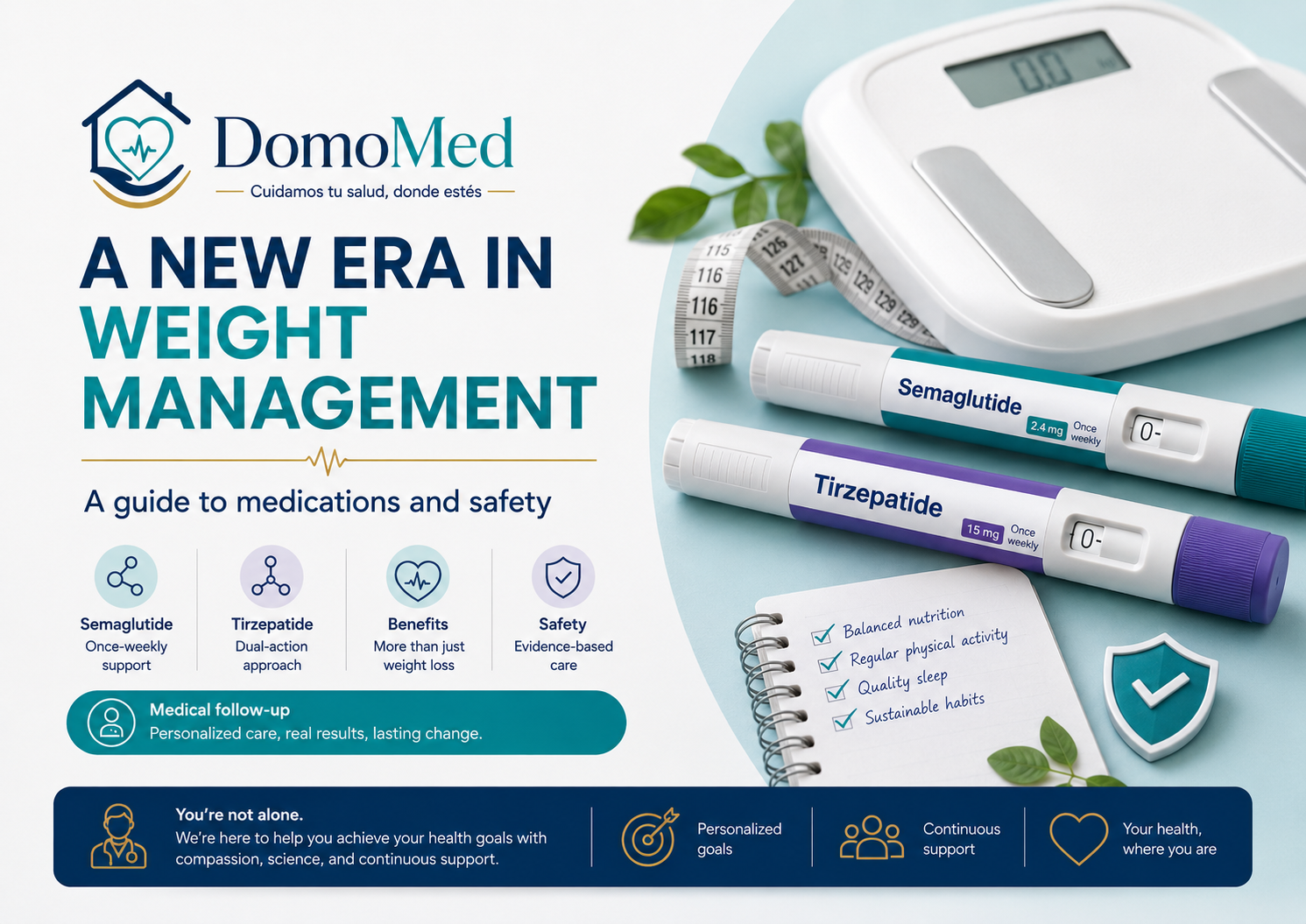
Medicines such as semaglutide and tirzepatide have changed the treatment of obesity. They can reduce appetite and help selected patients achieve clinically meaningful weight loss. However, they are not suitable for everyone and should never be used without proper medical assessment.
This article explains who may be eligible for weight-loss medication, what happens before treatment begins, what results can realistically be expected and why maintaining weight loss usually requires a long-term plan.
Obesity is a chronic medical condition
Obesity is not simply the result of poor choices or a lack of self-discipline.
It is a chronic, complex and relapsing condition influenced by:
- Genetics.
- Hormonal regulation.
- Appetite and satiety signals.
- Energy expenditure.
- Sleep.
- Stress.
- Medication.
- Mental health.
- Social and environmental factors.
After weight loss, the body may respond by increasing hunger and reducing energy expenditure. These biological adaptations can make weight regain more likely, even when a person remains motivated.
Recognising obesity as a medical condition does not make healthy eating and exercise less important. It means that some patients may need additional medical support, just as people with high blood pressure or diabetes may require medication alongside lifestyle changes.
To understand the wider health consequences, read our guide to obesity and cardiovascular risk.
Who may be eligible for medical weight loss treatment?
In Europe, semaglutide 2.4 mg and tirzepatide may be used alongside a reduced-calorie diet and increased physical activity in adults who meet one of the following criteria:
A BMI of 30 kg/m² or above
A body mass index of 30 kg/m² or more is within the obesity range.
Medical treatment may be considered when lifestyle measures have not produced sufficient or sustained weight loss.
A person does not need to have diabetes or another weight-related illness to meet the BMI criterion when their BMI is at least 30 kg/m².
A BMI between 27 and 29.9 kg/m² with a weight-related health condition
Treatment may also be considered in people with overweight who have at least one weight-related complication, such as:
- High blood pressure.
- Abnormal cholesterol or triglyceride levels.
- Prediabetes.
- Type 2 diabetes.
- Obstructive sleep apnoea.
- Cardiovascular disease.
These are the authorised European thresholds for both Wegovy and Mounjaro when used for weight management.
Conditions such as high blood pressure, abnormal cholesterol and sleep apnoea can significantly increase the health risks associated with excess weight.
What is BMI and how is it calculated?
Body mass index, or BMI, relates weight to height.
It is calculated using the following formula:
BMI = weight in kilograms ÷ height in metres²
For example, a person who weighs 90 kg and is 1.70 metres tall has a BMI of approximately 31.1 kg/m².
BMI is useful, but it does not tell the whole story. It does not distinguish between muscle and body fat or show where fat is stored.
A medical assessment may therefore also consider:
- Waist circumference.
- Blood pressure.
- Blood glucose and HbA1c.
- Cholesterol and triglycerides.
- Liver and kidney function.
- Medical and family history.
- Cardiovascular symptoms.
- Body composition, when appropriate.
Two people with the same BMI can have very different levels of metabolic and cardiovascular risk.
Can I use weight-loss medication if my BMI is below 27?
In general, semaglutide 2.4 mg and tirzepatide are not authorised for weight management in adults with a BMI below 27 kg/m².
They are also not routinely indicated when BMI is between 27 and 29.9 kg/m² without a weight-related medical condition.
Using these medicines simply to lose a small amount of weight or achieve a cosmetic goal may expose a person to side effects without a sufficiently established medical benefit.
The decision should not be based only on how many kilograms someone wishes to lose. A clinician must consider body composition, health risks, previous attempts, possible contraindications and the overall balance of benefits and harms.
Which weight-loss medicines are currently used?
The most appropriate treatment depends on the individual’s health, other medication, treatment goals, tolerability and access to the medicine.
Semaglutide
Semaglutide is a GLP-1 receptor agonist.
It acts on pathways involved in appetite and satiety, helping many patients feel fuller, eat less and reduce their overall energy intake.
The formulation and dose authorised for weight management should not be confused with other semaglutide products mainly indicated for type 2 diabetes.
Tirzepatide
Tirzepatide acts on both GIP and GLP-1 receptors.
It reduces appetite and energy intake and can produce substantial weight loss in selected patients.
The choice between semaglutide, tirzepatide or another strategy should not depend only on which medicine produced the greatest average weight reduction in a clinical trial.
The assessment should also consider:
- Medical history.
- Cardiovascular and metabolic risk.
- Other medication.
- Gastrointestinal tolerance.
- Kidney and liver function.
- Cost and availability.
- Previous treatment response.
- Long-term follow-up.
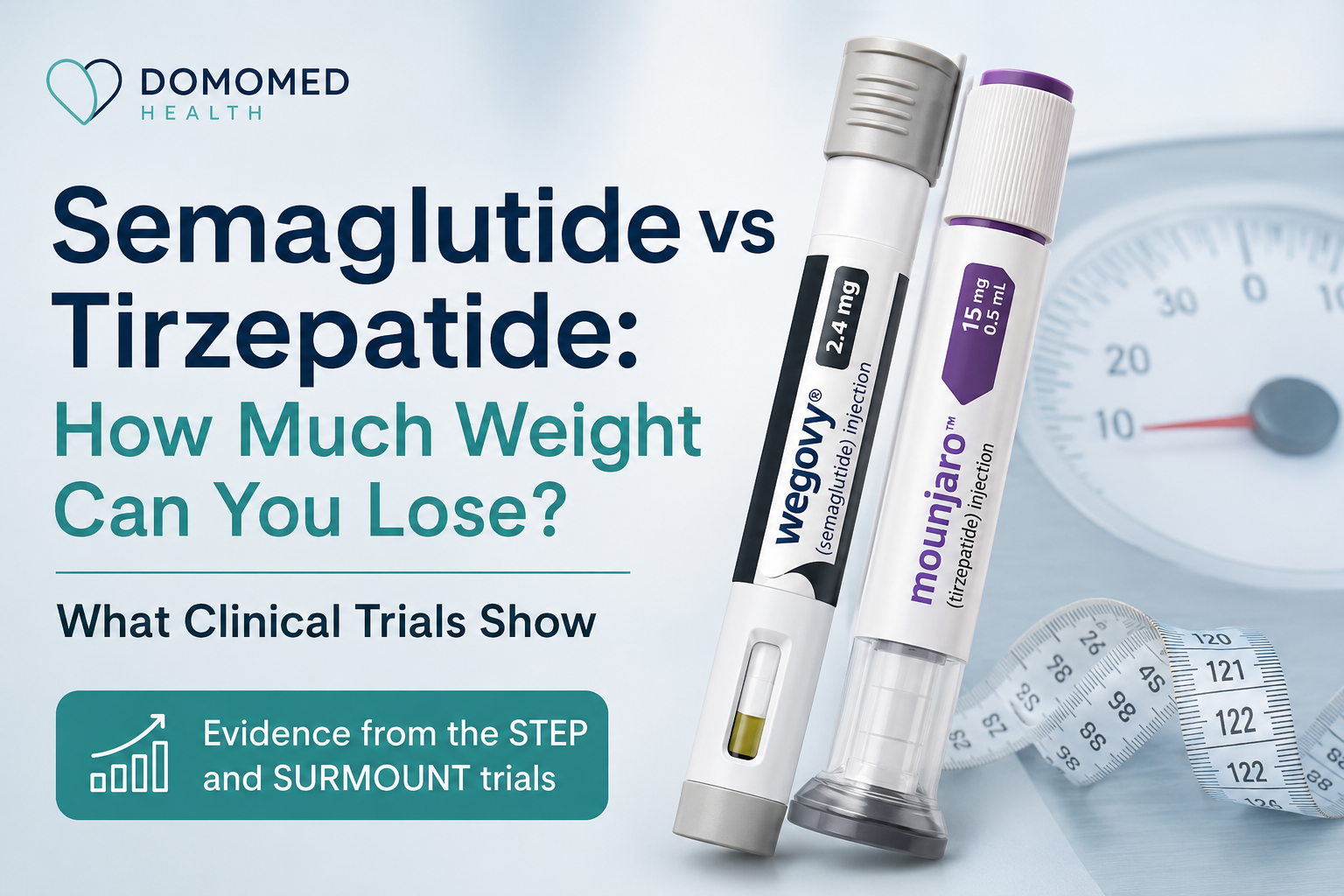
Read our evidence-based comparison to learn how much weight people lose with semaglutide or tirzepatide.
Who should not start these medicines?
Semaglutide and tirzepatide do not have exactly the same precautions in every clinical situation. The prescribing information for the specific medicine must therefore be reviewed.
They should not be used during pregnancy. Patients should also tell their doctor if they are breastfeeding, planning pregnancy or could become pregnant during treatment.
A detailed assessment is especially important when there is:
- Previous pancreatitis.
- Severe gastrointestinal disease.
- Delayed gastric emptying or suspected gastroparesis.
- Gallbladder disease.
- Kidney disease or an increased risk of dehydration.
- Liver disease.
- Diabetes treatment that could cause hypoglycaemia.
- Planned surgery or a procedure requiring sedation or anaesthesia.
- A previous allergic reaction to the medicine.
- Any relevant endocrine, digestive or systemic condition.
A history of pancreatitis should not automatically be described as an absolute contraindication in every patient, but it requires careful individual assessment.
What side effects can occur?
The most frequent side effects are gastrointestinal and often occur during dose escalation.
They may include:
- Nausea.
- Early fullness.
- Abdominal discomfort.
- Reflux.
- Diarrhoea.
- Constipation.
- Vomiting.
- Reduced appetite.
The dose is usually increased gradually to improve tolerability.
Increasing the dose more quickly does not necessarily improve weight loss and may increase adverse effects.
Medical advice should be sought if a patient develops:
- Severe or persistent abdominal pain.
- Repeated vomiting.
- Inability to maintain adequate hydration.
- Symptoms of a serious allergic reaction.
- Marked deterioration in general health.
- Symptoms suggesting gallbladder or pancreatic complications.
What happens during a medical weight-loss assessment?
Before treatment begins, the clinician should perform an individual medical assessment.
Medical history
This may include:
- Previous and current medical conditions.
- Cardiovascular history.
- Current medicines and supplements.
- Allergies.
- Previous weight-loss attempts.
- Changes in weight over time.
- Eating habits.
- Physical activity.
- Sleep.
- Alcohol and smoking.
- Digestive symptoms.
- Personal goals and expectations.
Physical assessment
This may include:
- Weight and height.
- BMI.
- Waist circumference.
- Blood pressure.
- Heart rate.
- Targeted physical examination.
Blood tests
Depending on the patient’s history, recent results may be reviewed or new tests requested, including:
- Blood glucose.
- HbA1c.
- Cholesterol and triglycerides.
- Kidney function.
- Liver function.
- Thyroid function.
- Full blood count.
- Other tests when clinically indicated.
Cardiovascular assessment
Not everyone requires cardiac testing before starting weight-loss medication.
An electrocardiogram may be useful in people with:
- Previous cardiovascular disease.
- Chest discomfort.
- Palpitations.
- Syncope.
- High blood pressure.
- Diabetes.
- Other significant cardiovascular risk factors.
- Medication that may affect heart rate or rhythm.
Holter monitoring, ambulatory blood pressure monitoring or other cardiology tests are not routinely required for every patient. They are requested when there is a specific clinical indication.
Do medicines replace diet and exercise?
No.
Weight-loss medicines should complement, not replace, sustainable lifestyle changes.
Treatment should normally include:
- A balanced nutritional plan.
- Adequate protein intake.
- Vegetables, fruit, pulses and fibre-rich foods.
- Reduced intake of ultra-processed foods and sugary drinks.
- Regular aerobic activity.
- Strength training.
- Adequate sleep.
- Reduced alcohol consumption.
- Support for emotional or impulsive eating when required.
Strength training and sufficient protein are particularly important during weight loss because some of the weight lost can come from lean tissue as well as fat.
The aim should not be an extreme short-term diet, but a pattern of eating and activity that can be maintained.
How much weight can I expect to lose?
Results vary considerably between individuals.
Clinical trials report average weight loss, but an average cannot predict exactly how one particular patient will respond.
Some people lose more weight, while others lose less. Some cannot tolerate the medicine or do not achieve a sufficient response.
Results may depend on:
- Starting weight.
- Dose reached.
- Duration of treatment.
- Adherence.
- Nutrition.
- Physical activity.
- Medical conditions.
- Other medication.
- Individual biological response.
For many patients, a reduction of 5% to 10% of their initial body weight can already improve several metabolic risk factors.
The treatment goal should be individualised and should not be limited to reaching a particular number on the scale.
Can losing weight reduce cardiovascular risk?
Weight reduction can improve:
- Blood pressure.
- Blood glucose.
- Triglycerides.
- Sleep apnoea.
- Mobility.
- Several
- Other cardiometabolic factors.
However, improving cardiovascular risk factors is not the same as proving that every weight-loss medicine prevents heart attacks, strokes or cardiovascular death.
That evidence must be evaluated separately for each medicine, dose and patient population.
In the SELECT trial, semaglutide 2.4 mg reduced major cardiovascular events in adults with overweight or obesity, established cardiovascular disease and no diabetes.
Those findings should not automatically be applied to:
- Younger people without cardiovascular disease.
- Patients receiving primary prevention.
- Every semaglutide dose.
- Every GLP-1 medicine.
- Every person wishing to lose weight.
Learn more about the relationship between obesity, weight loss and cardiovascular risk.
How long does treatment last?
Obesity is a chronic condition and treatment often needs to be considered over the long term.
There is no single treatment duration that applies to everyone.
Medication may be continued while:
- There is still a medical indication.
- It remains effective.
- Side effects are acceptable.
- No new contraindication appears.
- The balance of benefit, risk and cost remains favourable.
- The patient wishes to continue after receiving appropriate information.
This does not mean that every patient must take medication for life.
It means that these medicines should not automatically be viewed as a brief course lasting only a few weeks or months.
Treatment should be reviewed regularly, and decisions to continue, change or stop it should be made jointly with the prescribing clinician.
Will I regain weight after stopping treatment?
Weight regain is common after stopping semaglutide or tirzepatide.
In the STEP 1 extension, participants regained approximately two-thirds of their previous semaglutide-associated weight loss during the year following withdrawal.
In SURMOUNT-4, participants who stopped tirzepatide also regained substantial weight, whereas those who continued treatment maintained and extended their weight reduction.
This does not mean the treatment failed.
It reflects the fact that the effects on appetite and weight regulation diminish after treatment is stopped, while the underlying biological tendency to regain weight may remain.
Can weight regain be prevented?
No strategy can guarantee that weight will not return.
The risk may be reduced through:
- Sustainable eating habits.
- Regular physical activity.
- Strength training.
- Adequate sleep.
- Continued medical follow-up.
- Regular monitoring of weight and waist circumference.
- Early action if weight begins to increase.
- Nutritional or psychological support when indicated.
- An individualised plan for treatment withdrawal.
There is not enough evidence to claim that gradually reducing the dose will always prevent weight regain.
Similarly, a lower maintenance dose should not automatically be prescribed unless it is medically appropriate and consistent with the authorised dosing strategy.
Emotional wellbeing also matters
Obesity can affect mobility, confidence, relationships, social life, body image and overall quality of life.
These issues should be addressed without blaming the patient or reducing treatment to appearance alone.
Improved confidence and emotional wellbeing can be legitimate treatment goals when there is a medical indication. However, body dissatisfaction or social pressure alone do not justify prescription medication when the clinical criteria are not met.
When there is concern about an eating disorder, severe anxiety around weight or distorted body image, a specific psychological or specialist assessment may be appropriate before treatment begins.
How DomoMed Salud approaches medical weight management
At DomoMed Salud, we provide an individualised assessment of excess weight and associated cardiometabolic risk.
Depending on the patient’s needs, this may include:
- Detailed medical history.
- Review of medication and previous treatment.
- Weight, height and BMI.
- Waist circumference.
- Blood pressure and heart rate.
- Review or request of blood tests.
- A 12-lead electrocardiogram.
- Assessment of whether medication is appropriate.
- An individual medical report.
- Regular in-person or online follow-up.
Our goal is not simply to reduce the number on the scale.
We aim to:
- Improve metabolic health.
- Identify and manage cardiovascular risk factors.
- Reduce abdominal adiposity.
- Preserve muscle mass.
- Establish realistic expectations.
- Prevent and manage adverse effects.
- Create a sustainable long-term strategy.
DomoMed Salud offers medical weight-management consultations in English, including home assessments in Madrid and online follow-up for patients elsewhere in Spain.
Learn how assessment and follow-up work in the DomoMed Salud Metabolic Care programme.
Frequently asked questions
Can I start semaglutide or tirzepatide without seeing a doctor?
No.
These are prescription medicines requiring a medical assessment, appropriate dosing and clinical follow-up.
Buying them through unregulated channels creates a risk of counterfeit products, incorrect dosing and treatment without adequate screening.
Can I be eligible if I do not have another medical condition?
Yes.
A person with a BMI of 30 kg/m² or above may meet the BMI criterion even without another weight-related condition.
With a BMI between 27 and 29.9 kg/m², at least one weight-related health problem is generally required under the European indication.
Do I need blood tests before starting?
Recent blood tests are advisable for most patients.
The specific tests depend on medical history, symptoms and current medication.
Do I need an ECG?
Not everyone requires an ECG.
It may be appropriate in patients with cardiovascular symptoms, previous heart disease, risk factors or other clinical reasons identified during the assessment.
Can I use Ozempic for weight loss?
Ozempic contains semaglutide, but it is primarily authorised for the treatment of type 2 diabetes.
Different semaglutide brands, doses and indications should not be assumed to be interchangeable.
The clinician should prescribe the appropriate product according to its authorised indication and the patient’s circumstances.
Are these medicines only for cosmetic weight loss?
No.
They are medical treatments intended for obesity or overweight accompanied by weight-related health problems.
They should not normally be used to achieve a small cosmetic weight reduction in someone without a medical indication.
Will I have to take the medicine for life?
Not necessarily.
However, obesity is a chronic condition, and many patients need long-term treatment or support to maintain the benefits.
The duration should be individualised and reviewed regularly.
Are weight-loss medicines funded by the Spanish public health system?
Funding depends on the medicine, indication and current decisions of the Spanish National Health System.
Because reimbursement policies can change, eligibility should be checked at the time treatment is prescribed rather than relying on an older online article.
Key message
- Losing weight is not simply a matter of willpower.
- Obesity is a chronic condition involving biological mechanisms that can increase hunger, promote weight regain and make long-term weight management difficult.
- Current medicines can be effective tools, but they are not suitable for everyone and do not replace a complete medical assessment.
Before choosing a medicine, patients should understand:
- Whether there is a clinical indication.
- Which goals are realistic.
- Which risks must be assessed.
- Which treatment best fits their circumstances.
- How the results will be maintained over time.
At DomoMed Salud, we provide evidence-based, individualised medical weight-management assessments in English, with home consultations in Madrid and online follow-up across Spain.
References
European Medicines Agency. Wegovy: European Public Assessment Report and Product Information.
European Medicines Agency. Mounjaro: European Public Assessment Report and Product Information.
Wilding JPH, Batterham RL, Davies M, et al. Weight regain and cardiometabolic effects after withdrawal of semaglutide: the STEP 1 trial extension. Diabetes, Obesity and Metabolism. 2022;24:1553–1564.
Aronne LJ, Sattar N, Horn DB, et al. Continued treatment with tirzepatide for maintenance of weight reduction in adults with obesity: the SURMOUNT-4 randomised clinical trial. JAMA. 2024;331:38–48.
Lincoff AM, Brown-Frandsen K, Colhoun HM, et al. Semaglutide and cardiovascular outcomes in obesity without diabetes. New England Journal of Medicine. 2023;389:2221–2232.
Medical disclaimer
This article is intended for general information and education only. It does not replace an individual medical consultation, diagnosis or treatment plan.
Weight-loss medicines require a prescription, assessment of possible contraindications and clinical monitoring. Do not start, change or stop medication without discussing it with a qualified healthcare professional.