Semaglutide and tirzepatide have transformed the medical treatment of overweight and obesity. Clinical trials have shown that these medications can achieve significantly greater weight loss than any previous pharmacological therapy.
However, the results often shared on social media or in advertisements do not always reflect what patients can realistically expect. Weight loss varies from person to person, not everyone tolerates the highest dose, and treatment should always be combined with healthy lifestyle changes and appropriate medical follow-up.
In this article, we review the evidence from the major clinical trials and explain how much weight people lose with semaglutide and tirzepatide, how these medications differ, and what happens after treatment is stopped.
What Are Semaglutide and Tirzepatide?
Semaglutide is a GLP-1 receptor agonist that mimics one of the body’s natural incretin hormones involved in appetite regulation and glucose metabolism.
It works by:
- Reducing appetite
- Increasing feelings of fullness
- Slowing gastric emptying
- Improving blood glucose regulation
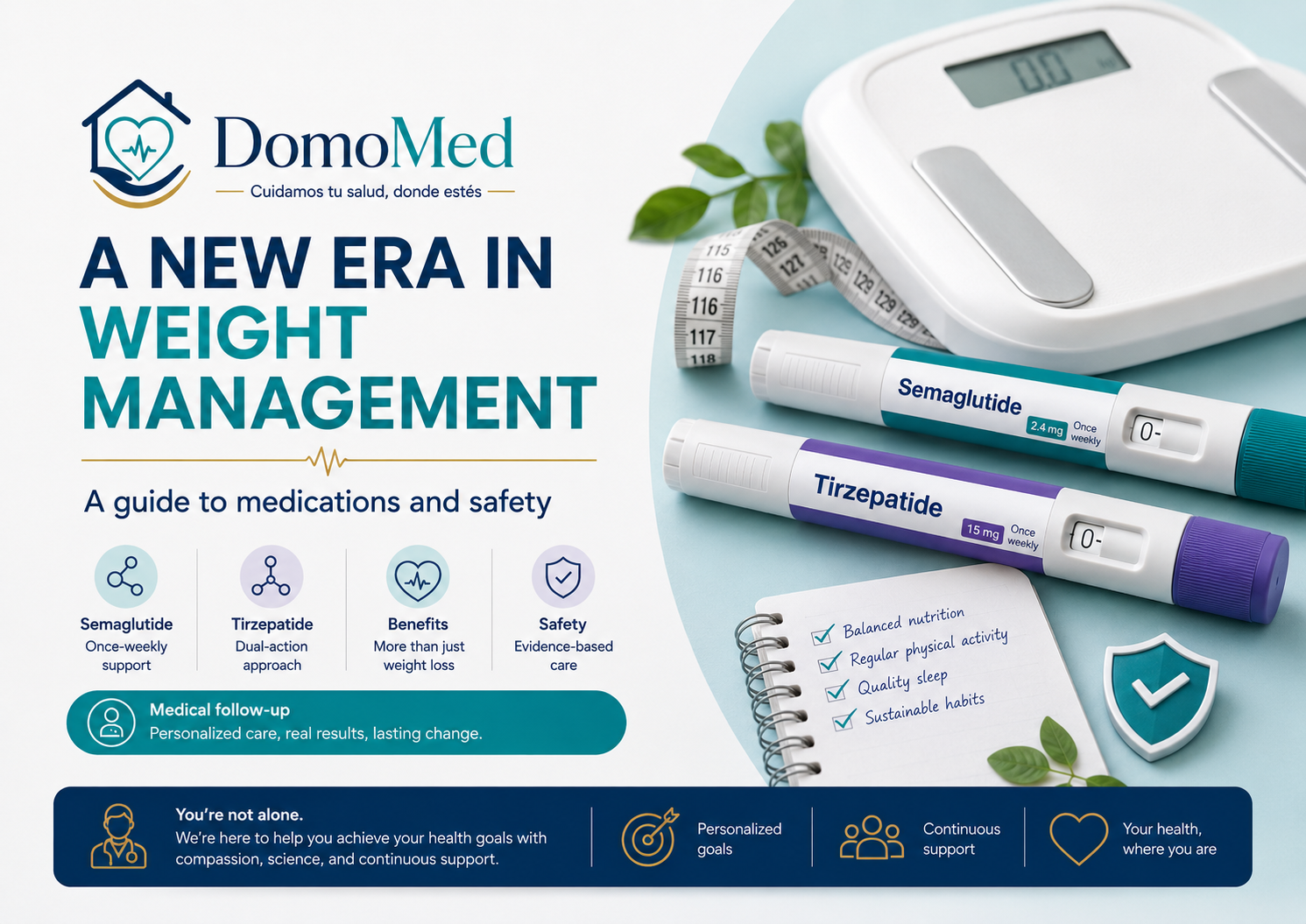
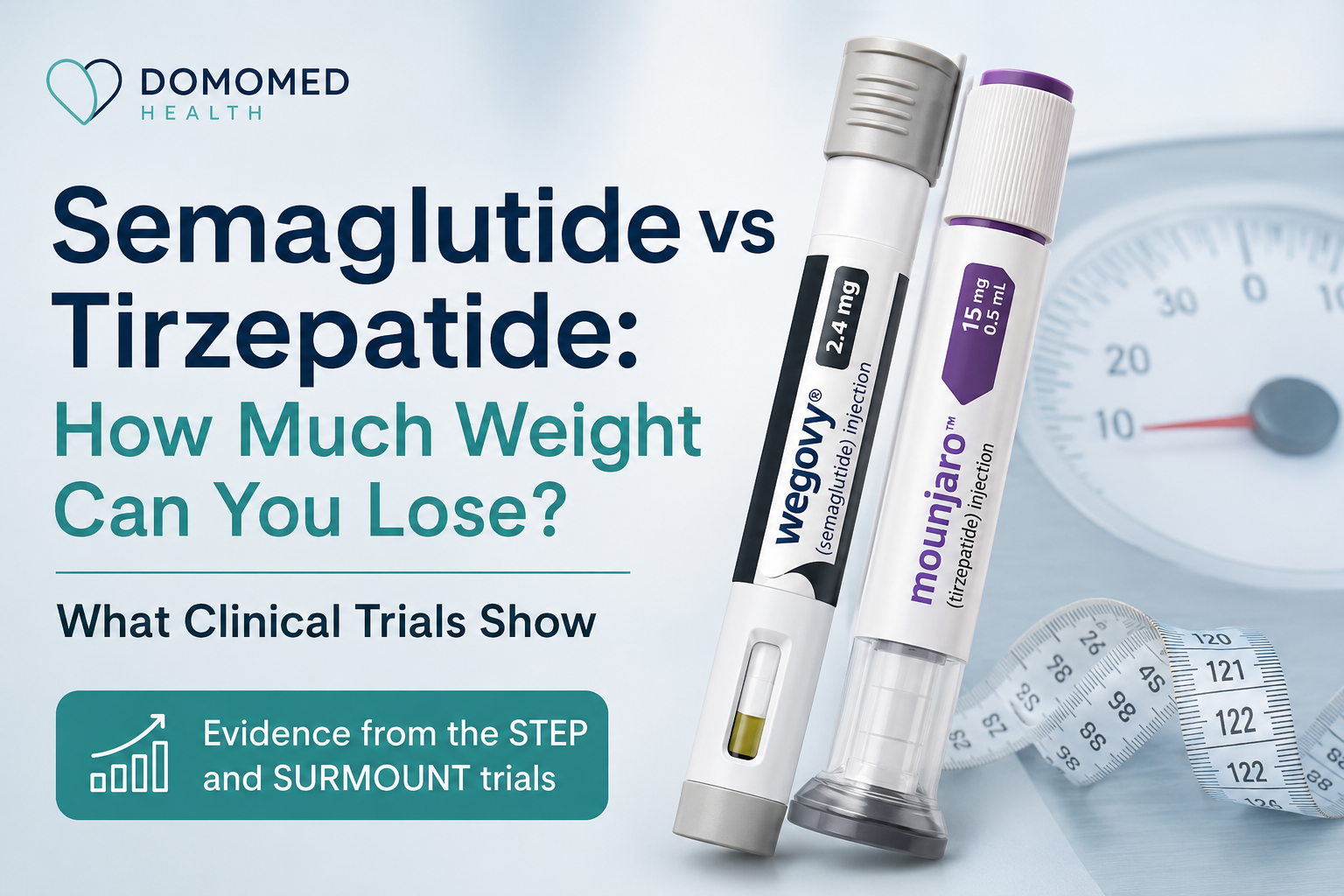
For weight management, the approved formulation in Europe is Wegovy® (semaglutide 2.4 mg once weekly).
Although Ozempic® also contains semaglutide, it is approved for the treatment of type 2 diabetes and should not be considered interchangeable with Wegovy® for obesity management.
Tirzepatide (Mounjaro®) works differently.
It is the first dual GIP/GLP-1 receptor agonist, stimulating two incretin pathways simultaneously. This dual mechanism appears to explain its greater average weight-loss effect observed in clinical trials.
Both medications are administered as a once-weekly subcutaneous injection.
Treatment usually starts with a low dose that is gradually increased to improve gastrointestinal tolerability and reduce side effects.
How Much Weight Can You Lose with Semaglutide?
The largest clinical trials evaluating semaglutide for obesity belong to the STEP clinical trial programme.
The most important study, STEP 1, included 1,961 adults with overweight or obesity without type 2 diabetes.
After 68 weeks, participants receiving semaglutide 2.4 mg achieved an average weight reduction of 14.9%, compared with only 2.4% in the placebo group.
In addition:
- 86.4% lost at least 5% of their body weight.
- 69.1% lost at least 10%.
- Around half achieved a weight loss of 15% or more.
- Approximately one-third lost close to or more than 20% of their initial body weight.
For someone starting treatment at 100 kg, the average weight loss observed in STEP 1 would correspond to approximately 15 kg.
It is important to remember that these figures represent averages. Individual results can vary considerably.
Does Type 2 Diabetes Affect Weight Loss?
Yes.
People living with type 2 diabetes generally experience slightly smaller weight reductions than those without diabetes.
In STEP 2, which included adults with overweight or obesity and type 2 diabetes, semaglutide 2.4 mg produced an average weight loss of approximately 9.6% after 68 weeks.
Several factors may contribute to this difference, including insulin resistance, longer-standing metabolic disease, and the use of other glucose-lowering medications.
For this reason, results from trials in people without diabetes should not automatically be applied to patients with type 2 diabetes.
How Much Weight Can You Lose with Tirzepatide?
The SURMOUNT clinical trial programme evaluated tirzepatide in adults with overweight or obesity.
The largest study, SURMOUNT-1, included 2,539 adults without type 2 diabetes.
After 72 weeks, the average weight reductions were:
- 15.0% with tirzepatide 5 mg
- 19.5% with tirzepatide 10 mg
- 20.9% with tirzepatide 15 mg
- 3.1% with placebo
With the highest dose (15 mg), approximately 57% of participants lost at least 20% of their initial body weight, representing one of the greatest weight reductions ever reported with an approved medication for obesity.
For a person weighing 100 kg, a 20.9% reduction corresponds to approximately 21 kg.
Again, these numbers reflect the average response across thousands of participants rather than an individual prediction.
Weight Loss in People with Type 2 Diabetes
The SURMOUNT-2 trial evaluated tirzepatide in adults with obesity and type 2 diabetes.
Average weight loss ranged between approximately 13% and 16%, depending on the dose used.
Although these reductions remain clinically significant, they were slightly lower than those observed in participants without diabetes, a pattern similar to that seen with semaglutide.
Semaglutide vs Tirzepatide: Which Works Better?
For several years, comparisons between semaglutide and tirzepatide relied on separate clinical trials, making direct comparisons difficult.
That changed with SURMOUNT-5, the first head-to-head randomized clinical trial comparing both medications in adults with obesity without type 2 diabetes.
Participants received the highest tolerated dose of:
- Tirzepatide (10 or 15 mg once weekly)
- Semaglutide (1.7 or 2.4 mg once weekly)
After 72 weeks, the average weight reduction was:
- 20.2% with tirzepatide
- 13.7% with semaglutide
Tirzepatide also produced a greater reduction in waist circumference.
These findings suggest that tirzepatide achieves greater average weight loss than semaglutide.
However, this does not mean that tirzepatide is automatically the best option for every patient.
Treatment decisions should always consider:
- Medical history
- Cardiovascular risk
- Presence of diabetes
- Previous response to treatment
- Gastrointestinal tolerability
- Other medications
- Individual preferences
- Long-term treatment goals
The most effective medication is not always the most appropriate one for a particular patient.
What Do These Percentages Mean?
Clinical trial results are often expressed as percentages, making it difficult to understand what they mean in everyday life.
As a simple guide:
For someone weighing 80 kg (176 lb):
- A 10% weight loss equals 8 kg
- A 15% weight loss equals 12 kg
- A 20% weight loss equals 16 kg
For someone weighing 100 kg (220 lb):
- A 10% reduction equals 10 kg
- A 15% reduction equals 15 kg
- A 20% reduction equals 20 kg
For someone weighing 120 kg (265 lb):
- A 10% reduction equals 12 kg
- A 15% reduction equals 18 kg
- A 20% reduction equals 24 kg
These figures are intended to help interpret the results of clinical trials. They do not predict how much weight an individual patient will lose.
Does Everyone Lose the Same Amount of Weight?
No.
Weight loss varies considerably from one person to another.
Several factors influence the response to treatment, including:
- Initial body weight and body composition
- Presence of type 2 diabetes
- Individual biological response
- Dose achieved and tolerated
- Duration of treatment
- Medication adherence
- Nutrition and physical activity
- Sleep quality
- Other medications
- Underlying metabolic or endocrine conditions
Some patients respond rapidly during the first months of treatment, while others require a slower dose escalation before significant weight loss occurs.
A small proportion of patients may not achieve a clinically meaningful response despite appropriate treatment. In these situations, lifestyle habits, adherence, dosage and alternative therapeutic options should be reviewed.
Do You Need the Highest Dose?
Not necessarily.
Although higher doses generally produce greater average weight loss in clinical trials, they are also associated with a higher frequency of gastrointestinal side effects.
The goal is not to reach the maximum dose as quickly as possible.
Instead, treatment should be individualised to identify the lowest effective dose that provides satisfactory weight loss while maintaining good tolerability.
Many patients continue losing weight successfully on intermediate doses without requiring further dose escalation.
Dose adjustments should always be based on clinical response rather than following a rigid schedule.
What Happens After Stopping Treatment?
Obesity is a chronic disease, not simply a matter of willpower.
When weight is lost, the body activates several biological mechanisms that increase hunger and reduce energy expenditure, making weight regain more likely.
The extension of the STEP 1 trial showed that participants regained approximately two-thirds of the weight they had lost during the year after discontinuing semaglutide.
Similarly, STEP 4 demonstrated that participants who continued semaglutide maintained and even increased their weight loss, whereas those switched to placebo regained a significant proportion of the lost weight.
A similar pattern has also been observed with tirzepatide.
In the SURMOUNT-4 trial, patients who continued treatment maintained or further improved their results, while those who stopped therapy experienced progressive weight regain.
This should not be interpreted as treatment failure.
Rather, it reflects the chronic nature of obesity and highlights the importance of long-term management.
For many patients, maintaining weight loss requires ongoing medical follow-up, healthy nutrition, regular physical activity, resistance exercise and, when appropriate, continued pharmacological treatment.
Cardiovascular Benefits Beyond Weight Loss
Weight reduction alone can improve several cardiovascular risk factors, including:
- Blood pressure
- Blood glucose
- Cholesterol levels
- Obstructive sleep apnoea
- Chronic inflammation
Semaglutide has also demonstrated direct cardiovascular benefits in selected high-risk patients.
The SELECT trial included 17,604 adults with established cardiovascular disease and overweight or obesity, but without diabetes.
Participants treated with semaglutide 2.4 mg experienced a 20% relative reduction in the combined risk of cardiovascular death, non-fatal myocardial infarction or non-fatal stroke.
Major cardiovascular events occurred in:
- 6.5% of patients receiving semaglutide
- 8.0% of patients receiving placebo
These findings provide strong evidence that semaglutide improves cardiovascular outcomes in patients with established cardiovascular disease and overweight or obesity.
However, these results should not automatically be extrapolated to younger individuals or patients without cardiovascular disease.
What About Tirzepatide?
The SURPASS-CVOT trial compared tirzepatide with dulaglutide in patients with type 2 diabetes and established atherosclerotic cardiovascular disease.
Tirzepatide demonstrated non-inferiority compared with dulaglutide for preventing cardiovascular death, myocardial infarction and stroke.
Although reassuring regarding cardiovascular safety, this study used an active comparator rather than placebo and involved patients with diabetes.
Therefore, it does not provide the same type of cardiovascular outcome evidence currently available for semaglutide in people with obesity without diabetes.
Who May Benefit from Treatment?
According to current European indications, semaglutide and tirzepatide may be considered, alongside dietary changes and increased physical activity, in adults with:
- Body Mass Index (BMI) ≥30 kg/m², or
- BMI between 27 and 29.9 kg/m² with at least one weight-related medical condition.
These conditions may include:
- Hypertension
- Dyslipidaemia
- Prediabetes
- Type 2 diabetes
- Obstructive sleep apnoea
- Established cardiovascular disease
Meeting BMI criteria does not automatically mean treatment is appropriate.
Before prescribing medication, physicians should carefully evaluate:
- Medical history
- Current medications
- Previous weight-loss attempts
- Treatment expectations
- Potential risks and contraindications
Every patient requires an individual assessment.
What Are the Most Common Side Effects?
The most frequently reported adverse effects are gastrointestinal, particularly during the first weeks of treatment or after dose escalation.
These may include:
- Nausea
- Early fullness
- Diarrhoea
- Constipation
- Vomiting
- Abdominal discomfort
- Heartburn or slower digestion
Most symptoms are mild to moderate and improve over time.
Gradual dose escalation, adequate hydration and appropriate dietary adjustments often improve tolerability.
Patients should seek medical advice if they develop:
- Severe or persistent abdominal pain
- Repeated vomiting
- Signs of dehydration
- Allergic reactions
- Sudden visual disturbances
What Should Be Reviewed Before Starting Treatment?
Before initiating semaglutide or tirzepatide, clinicians should assess several important aspects, including:
- Pregnancy, breastfeeding or pregnancy planning
- Previous pancreatitis
- Gallbladder disease
- Severe gastrointestinal disorders or gastroparesis
- Diabetic retinopathy
- Insulin or sulfonylurea therapy
- Kidney disease or increased dehydration risk
- Other medications that may influence weight or blood glucose
Self-medication, purchasing medication from unauthorised sources or using non-prescribed doses may increase treatment risks.
Why Is Medical Follow-up So Important?
Successful weight management involves much more than simply prescribing medication.
Regular medical follow-up allows your physician to monitor:
- Weight and waist circumference
- Blood pressure
- Treatment tolerance
- Gastrointestinal side effects
- Blood glucose and metabolic parameters when appropriate
- Muscle mass preservation
- Nutrition and physical activity
- Dose adjustments
- Overall treatment response
Ongoing follow-up also helps identify side effects early, manage expectations and develop a long-term strategy to maintain weight loss.
How Does DomoMed Metabolic Care Work?
Metabolic Care is DomoMed Health’s medical programme for weight management and cardiometabolic health.
It is designed for adults living with overweight or obesity who wish to receive an evidence-based medical assessment to determine whether pharmacological treatment may be appropriate.
The programme is available in two formats.
Home Medical Visits in Madrid
Our face-to-face service includes:
- Comprehensive medical assessment
- Cardiovascular risk evaluation
- Weight, BMI and blood pressure measurement
- Review of available laboratory tests
- Resting 12-lead ECG interpreted by a cardiologist
- Individualised treatment plan
- Prescription medication when clinically appropriate
- Regular follow-up and dose adjustments
Online Consultations Across Spain
Patients living outside Madrid can access the programme through secure video consultations.
During the initial consultation we review:
- Medical history
- Current medications
- Previous weight-loss attempts
- Lifestyle habits
- Available laboratory investigations
- Cardiometabolic risk profile
- Suitability for medical treatment
If clinically appropriate, an individualised treatment plan may include semaglutide, tirzepatide or other therapeutic options.
Prescription medication is never guaranteed. Treatment is only prescribed when medically indicated after an individual assessment.
Frequently Asked Questions
Which medication produces greater weight loss?
Based on the SURMOUNT-5 trial, tirzepatide achieved greater average weight loss than semaglutide.
However, treatment choice should never depend solely on average percentages. Medical history, cardiovascular risk, tolerability and patient preferences are equally important.
How long does it take to lose weight?
Weight loss usually occurs gradually over several months.
Most major clinical trials evaluated outcomes after approximately 68 to 72 weeks, although many patients begin noticing meaningful changes much earlier.
Can I stop treatment once I reach my goal weight?
Stopping treatment may lead to gradual weight regain.
Before discontinuing medication, patients should discuss a personalised long-term maintenance strategy with their physician.
Do I have to reach the highest dose?
No.
Treatment should be individualised.
Many patients achieve excellent results with intermediate doses while experiencing fewer side effects.
Can I access Metabolic Care if I don’t live in Madrid?
Yes.
DomoMed offers:
- Home medical visits throughout Madrid
- Online consultations across Spain
Availability may vary depending on individual circumstances.
Final Message
Semaglutide and tirzepatide are among the most effective medications currently available for medical weight management.
Clinical trials have shown average weight reductions of approximately:
- 15% with semaglutide
- 21% with tirzepatide
The first direct comparison between both medications demonstrated greater average weight loss with tirzepatide.
Nevertheless, no treatment is suitable for every patient.
Successful obesity management requires an individualised medical assessment, realistic expectations, healthy lifestyle changes and long-term follow-up.
At DomoMed Health, we believe weight management is about far more than reducing the number on the scale.
Our goal is to help patients improve their cardiometabolic health safely through evidence-based medicine and personalised care.
Thank you for trusting
DomoMed Health.
About DomoMed Health
DomoMed Health provides personalised medical care through home medical visits in Madrid and online consultations across Spain.
Our services include:
- Cardiology consultations
- Medical weight management
- GLP-1 and GIP/GLP-1 therapies
- Cardiovascular assessment
- Home ECGs and cardiac monitoring
- Telemedicine consultations
Every treatment plan is tailored to each patient’s individual medical needs.
References
This article was updated in July 2026.
The information presented is based on:
- European Medicines Agency (EMA) prescribing information for Wegovy®, Ozempic® and Mounjaro®.
- STEP clinical trial programme.
- SURMOUNT clinical trial programme.
- SURMOUNT-5 head-to-head trial.
- SELECT cardiovascular outcomes trial.
- SURPASS-CVOT.
Key References
- Wilding JPH et al. Once-Weekly Semaglutide in Adults with Overweight or Obesity. N Engl J Med. 2021.
- Davies M et al. STEP 2 Trial. Lancet. 2021.
- Rubino DM et al. STEP 4 Trial. JAMA. 2021.
- Jastreboff AM et al. SURMOUNT-1. N Engl J Med. 2022.
- Garvey WT et al. SURMOUNT-2. Lancet. 2023.
- Aronne LJ et al. SURMOUNT-4. JAMA. 2024.
- Aronne LJ et al. SURMOUNT-5. N Engl J Med. 2025.
- Lincoff AM et al. SELECT Trial. N Engl J Med. 2023.
- Nicholls SJ et al. SURPASS-CVOT. N Engl J Med. 2025.
Medical Disclaimer
This article is intended for educational and informational purposes only.
It does not replace an individual medical consultation.
Semaglutide, tirzepatide and other prescription medications should only be used after assessment by a qualified healthcare professional.
Treatment choice, dosing, dose escalation and long-term management must always be individualised.
Clinical trial results represent average outcomes observed in large groups of participants and cannot predict individual patient results.
If you have questions about obesity, weight management or GLP-1-based therapies, please consult a qualified healthcare professional.