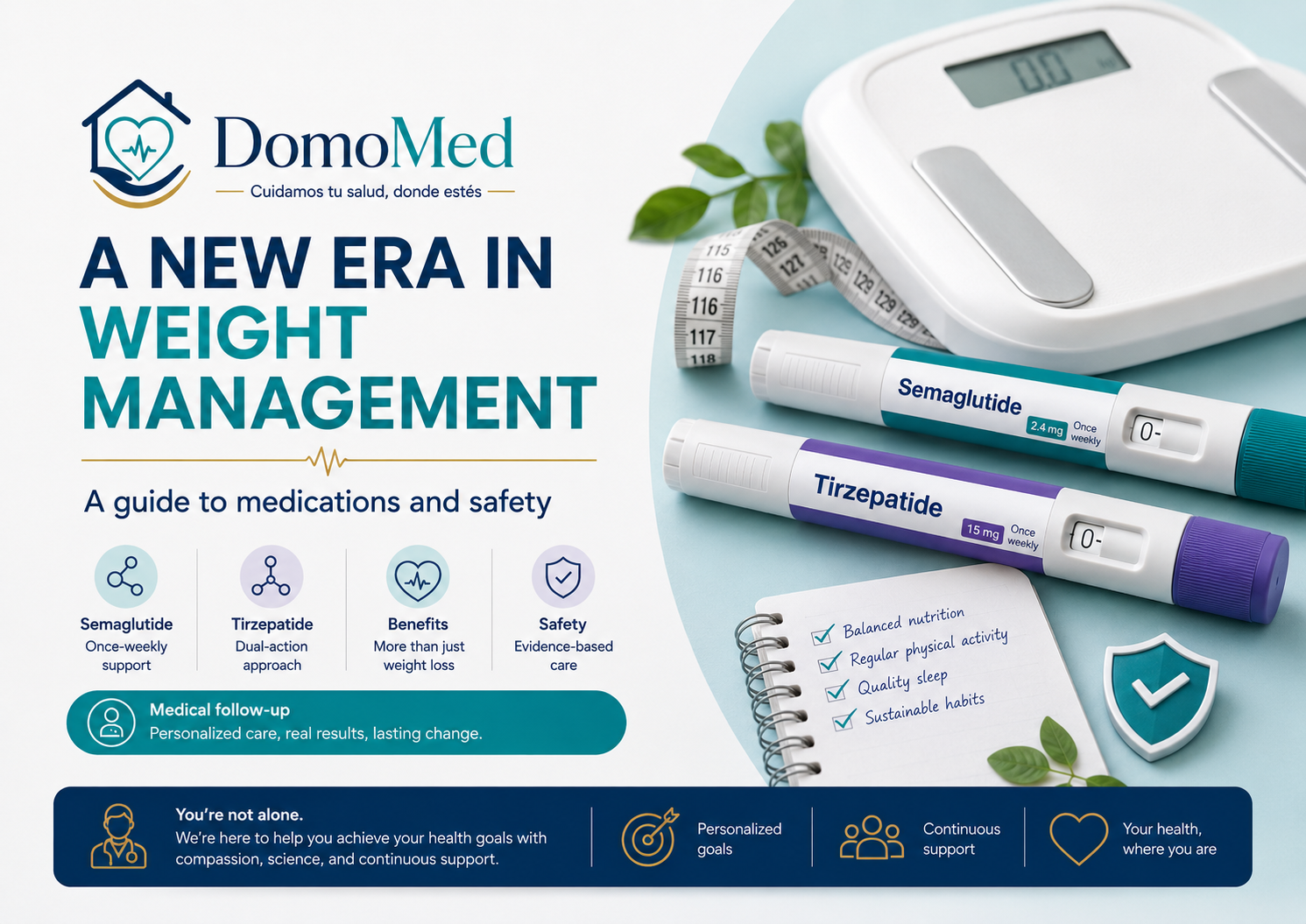

Semaglutide in Madrid: Medical Treatment and Home Follow-Up
Semaglutide has transformed the medical treatment of overweight and obesity. However, it is neither a quick fix nor an appropriate medication for everyone.
Before treatment begins, a doctor should confirm that there is a clinical indication, review the patient’s medical history and current medication, assess possible contraindications and establish an appropriate follow-up plan.
DomoMed Salud offers a medically supervised weight-management programme with home consultations in Madrid and online follow-up for patients throughout Spain. The aim is not simply to provide a prescription, but to incorporate pharmacological treatment into an individualised medical plan focused on long-term weight management and cardiometabolic health.
In this article, we explain:
- What semaglutide is.
- Who may be eligible for treatment.
- How much weight patients may lose.
- What side effects and risks should be considered.
- How the DomoMed Salud Metabolic Care programme works.
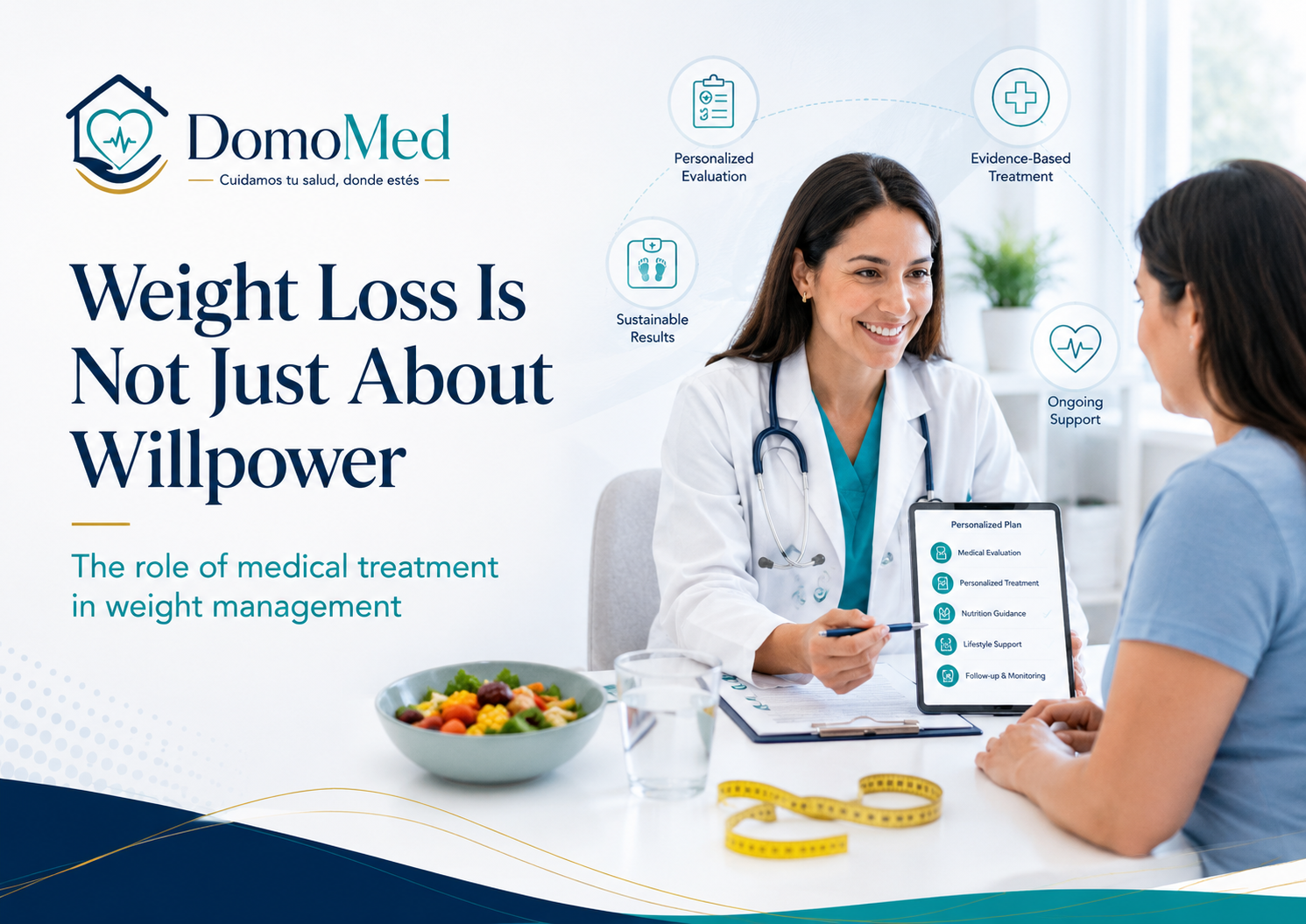
You can also read our guide on the role of medicine in weight management, where we explain why obesity is not simply a matter of willpower and when medical treatment may be appropriate.
What Is Semaglutide?
Semaglutide is a medication belonging to a group known as glucagon-like peptide-1 receptor agonists, or GLP-1 receptor agonists.
GLP-1 is a naturally occurring hormone involved in the regulation of appetite, satiety and glucose metabolism. Semaglutide reproduces some of its effects and acts through several mechanisms:
- It reduces appetite and feelings of hunger.
- It increases the feeling of fullness after eating.
- It helps reduce overall calorie intake.
- It partially slows gastric emptying.
- It stimulates insulin secretion when blood glucose is elevated.
- It reduces inappropriate glucagon secretion.
Its action is therefore more complex than simply “removing the desire to eat”. It acts on biological pathways involved in body-weight regulation, which may be altered in people living with obesity.
Wegovy and Ozempic Are Not the Same
Although Wegovy and Ozempic both contain semaglutide, they do not have the same authorised indication.
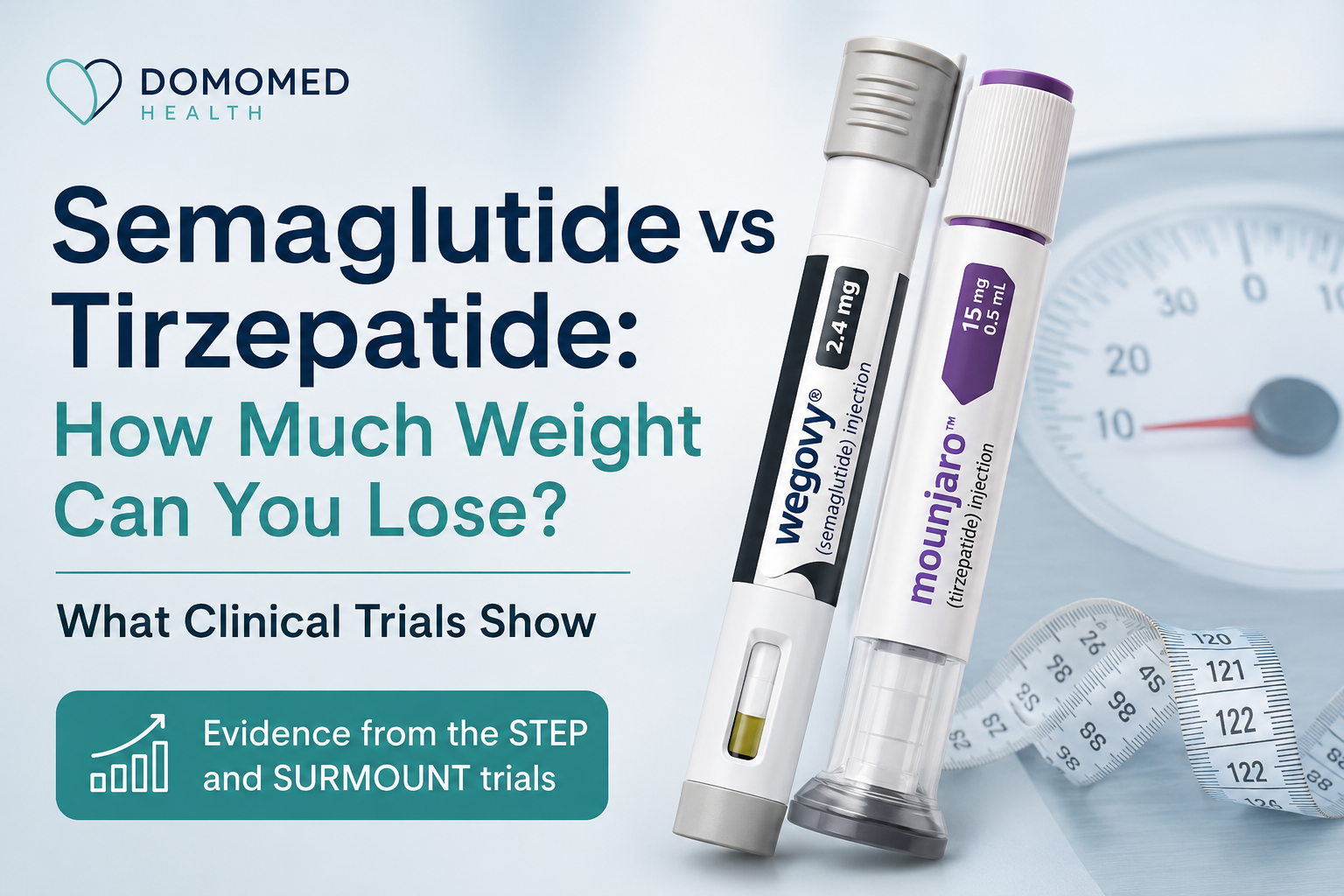
Wegovy is the semaglutide presentation authorised in Europe for weight management, together with a reduced-calorie diet and increased physical activity.
Ozempic, by contrast, is authorised for the treatment of adults with insufficiently controlled type 2 diabetes. It is not the semaglutide presentation specifically authorised for treating obesity in people without diabetes.
The choice of medication should be based on:
- Its authorised indication.
- The patient’s clinical circumstances.
- Medical history.
- Current medication.
- Availability.
- The prescribing doctor’s clinical judgement.
Patients should not buy semaglutide from unregulated websites or use medication prescribed to someone else.
Who May Be Eligible for Semaglutide for Weight Loss?
In general, semaglutide for weight management may be considered in adults with obesity or overweight associated with weight-related health conditions.
Adults With Obesity
Treatment may be considered in adults with a body mass index, or BMI, of 30 kg/m² or higher.
Adults With Overweight and Associated Health Conditions
Treatment may also be considered in adults with a BMI of 27 kg/m² or higher but below 30 kg/m² when at least one weight-related condition is present.
These conditions may include:
- High blood pressure.
- Dyslipidaemia or high cholesterol.
- Type 2 diabetes.
- Prediabetes.
- Obstructive sleep apnoea.
- Established cardiovascular disease.
- Other metabolic complications associated with excess weight.
BMI is a useful screening tool, but it should not be considered in isolation.
A medical assessment may also consider:
- Waist circumference.
- Body-fat distribution.
- Previous weight-loss attempts.
- Current medication.
- Cardiovascular risk.
- Blood test results.
- Weight-related complications.
- The patient’s expectations and treatment goals.
Semaglutide is not intended simply for someone who wishes to lose a few kilograms for cosmetic reasons. Before prescribing it, a doctor must confirm that there is an appropriate medical indication and that the expected benefits outweigh the potential risks.
How Much Weight Can You Lose With Semaglutide?
The response to semaglutide varies considerably between individuals.
Results depend on factors such as:
- The dose reached and tolerated.
- Adherence to treatment.
- Dietary habits.
- Physical activity.
- Associated medical conditions.
- Individual biological response.
- Duration of treatment.
In the STEP 1 clinical trial, adults with overweight or obesity without diabetes received once-weekly semaglutide 2.4 mg together with lifestyle intervention.
After 68 weeks, participants receiving semaglutide lost an average of approximately 14.9% of their starting body weight, compared with approximately 2.4% in the placebo group.
Among participants receiving semaglutide:
- Approximately 86% lost at least 5% of their body weight.
- Around 69% lost at least 10%.
- Approximately 50% lost 15% or more.
These figures represent average results from a clinical trial. They do not guarantee that every patient will achieve the same level of weight loss.
Some patients lose more, while others experience a smaller response or are unable to tolerate higher doses.
Results also differ between available medications. Our article on current weight-management treatments explains the differences between GLP-1 and dual GIP/GLP-1 therapies:
Read our guide to weight-management medications and safety.
Can Semaglutide Protect the Heart?
Weight loss can improve several cardiometabolic risk factors, including:
- Blood pressure.
- Blood glucose.
- Waist circumference.
- Insulin resistance.
- Triglycerides and other lipid parameters.
- Physical function.
Obesity is not only a question of body weight or appearance. It is associated with an increased risk of conditions such as:
- High blood pressure.
- Type 2 diabetes.
- Coronary artery disease.
- Heart failure.
- Atrial fibrillation.
- Obstructive sleep apnoea.
The SELECT trial included 17,604 adults with overweight or obesity, established cardiovascular disease and no diabetes.
In this specific population, semaglutide 2.4 mg reduced the relative risk of the combined outcome of cardiovascular death, non-fatal myocardial infarction or non-fatal stroke by approximately 20% compared with placebo.
Cardiovascular events occurred in:
- 6.5% of participants receiving semaglutide.
- 8.0% of participants receiving placebo.
The median follow-up was approximately 40 months.
These results should not be automatically applied to everyone seeking weight loss. Participants in SELECT already had established cardiovascular disease, and the expected cardiovascular benefit must therefore be assessed according to each patient’s clinical profile.
In patients with obesity-related heart failure with preserved ejection fraction, clinical trials have also shown improvements in symptoms, physical limitations and exercise capacity.
These findings support the view that obesity treatment may form part of a broader cardiometabolic strategy rather than being focused solely on the number shown on the scales.
What Happens When Semaglutide Is Stopped?
Obesity is a chronic condition with a strong tendency to recur.
Semaglutide should therefore not be viewed as a brief treatment that is stopped immediately after a target weight is reached.
In the extension of the STEP 1 trial, participants regained approximately two-thirds of the weight they had previously lost during the year after semaglutide was discontinued.
Some of the improvements in cardiometabolic parameters were also lost.
This does not mean that semaglutide causes addiction or dependence. It means that the biological mechanisms that promote hunger, increased calorie intake and weight regain may return once treatment is withdrawn.
The duration of treatment should be individualised according to:
- The patient’s response.
- Treatment tolerance.
- Weight-related complications.
- Cardiometabolic risk.
- The risk of weight regain.
- Personal preferences.
- Treatment costs.
- The balance between benefits and risks.
Any decision to reduce or stop treatment should be made with medical supervision and accompanied by a long-term maintenance strategy.
Common Side Effects of Semaglutide
The most frequent side effects are gastrointestinal.
They are particularly common:
- During the first weeks of treatment.
- After increasing the dose.
- After large or high-fat meals.
- When the dose is increased too quickly.
Common symptoms include:
- Nausea.
- Early fullness.
- Reduced appetite.
- Diarrhoea.
- Constipation.
- Vomiting.
- Abdominal discomfort.
- Abdominal bloating.
- Acid reflux or indigestion.
In many patients, these symptoms are mild or moderate and gradually improve.
The gradual dose-escalation schedule is designed to reduce the risk of gastrointestinal intolerance.
The following measures may help:
- Eat smaller portions.
- Eat slowly.
- Avoid very large meals.
- Reduce high-fat and heavily processed foods.
- Maintain adequate hydration.
- Avoid lying down immediately after eating.
- Contact the doctor before increasing the dose if symptoms continue.
The dose should not be increased automatically when relevant nausea, vomiting, abdominal pain or constipation is present.
Risks and Warning Symptoms
Although less common, certain symptoms require medical assessment.
Seek medical advice if you develop:
- Severe or persistent abdominal pain.
- Abdominal pain radiating to the back.
- Repeated vomiting.
- Inability to maintain adequate fluid intake.
- Signs of dehydration.
- Severe pain in the upper-right abdomen.
- Fever associated with abdominal pain.
- Yellowing of the skin or eyes.
- A significant allergic reaction.
- Swelling of the face, lips or tongue.
- Difficulty breathing.
- Significant worsening of known gastroparesis.
- Sudden visual loss or rapid deterioration in vision.
In 2025, European pharmacovigilance authorities concluded that non-arteritic anterior ischaemic optic neuropathy, or NAION, should be considered a very rare adverse effect associated with semaglutide.
A sudden loss or significant deterioration of vision requires urgent ophthalmological assessment and review of the treatment.
Who Should Not Use Semaglutide?
The decision must always be individualised.
Semaglutide should not be used, or requires particularly careful assessment, in situations including:
- Pregnancy.
- Breastfeeding.
- Pregnancy planned in the near future.
- Known hypersensitivity to semaglutide or any of its ingredients.
- Previous pancreatitis requiring individual risk assessment.
- Severe gastrointestinal disease.
- Significant gastroparesis.
- Certain active eating disorders.
- Simultaneous treatment with another GLP-1 receptor agonist.
- Conditions that increase the risk of dehydration.
- Relevant kidney impairment associated with dehydration risk.
- Treatment with insulin or sulfonylureas, because diabetes medication may need to be adjusted.
Relevant personal or family thyroid history should also be discussed with the doctor.
European product information does not list a personal or family history of medullary thyroid carcinoma or multiple endocrine neoplasia type 2 as the same formal contraindication found in United States prescribing information. However, relevant thyroid or endocrine history must still be reviewed individually.
Semaglutide must not be used during pregnancy.
When pregnancy is planned, treatment should be stopped sufficiently in advance according to the product information and the advice of the prescribing doctor.
Why Is Medical Follow-Up Important?
Medical follow-up involves much more than recording weight loss.
It allows the doctor to assess:
- Gastrointestinal tolerance.
- Hydration.
- Nutritional status.
- Changes in waist circumference.
- Blood pressure.
- Heart rate.
- Blood glucose.
- Possible excessive loss of lean body mass.
- Treatment adherence.
- Side effects.
- Whether the dose should be increased, maintained or reduced.
- Changes in associated health conditions.
- The long-term maintenance strategy.
Obesity, high blood pressure, diabetes and lipid abnormalities frequently occur together and may amplify cardiovascular risk.
The lipid profile should therefore be interpreted according to the patient’s overall cardiovascular risk rather than simply according to whether a laboratory value is marked as abnormal.
You can find more information in our guide:
High Cholesterol: What Your Test Results Mean and How to Protect Your Heart.
The goal is not to lose weight at any cost. Ideally, treatment should reduce excess body fat while preserving as much muscle mass as possible.
For this reason, treatment should also include:
- An adequate dietary plan.
- Sufficient protein intake.
- Regular physical activity.
- Resistance or strength exercise adapted to the patient.
- Appropriate sleep.
- Sustainable changes in daily habits.
Semaglutide in Madrid: How Does Metabolic Care Work?
Metabolic Care is DomoMed Salud’s medical programme for weight management and cardiometabolic health.
It is designed for people with obesity or overweight associated with health problems who wish to find out whether they may benefit from:
- Semaglutide.
- Tirzepatide.
- Other evidence-based weight-management treatments.
- A structured medical and lifestyle programme.
The programme always begins with a medical assessment.
A prescription for semaglutide or any other specific medication is not guaranteed. Medication is prescribed only when there is a clinical indication and when the treatment is considered appropriate and safe.
The programme is available in two formats:
- A medical home consultation in Madrid.
- An online medical consultation for patients throughout Spain.
Medical Home Consultation in Madrid
The in-person programme takes place in the patient’s home in Madrid and within the municipalities covered by DomoMed Salud.
The initial appointment includes:
- A detailed medical history.
- Review of personal and family history.
- Review of current medication.
- Assessment of previous weight-loss attempts.
- Weight and height measurement.
- BMI calculation.
- Waist-circumference measurement.
- Blood-pressure and heart-rate measurement.
- Review or request for blood tests.
- A 12-lead electrocardiogram.
- ECG interpretation and report by a cardiology specialist.
- Assessment of whether pharmacological treatment is indicated.
- An individualised medical plan.
- Prescription when clinically appropriate.
- A medical report.
- Three monthly online follow-up consultations.
The initial consultation usually lasts approximately 45 to 60 minutes.
Is an ECG Required Before Starting Semaglutide?
No.
An electrocardiogram is not a universally mandatory requirement before starting a GLP-1 receptor agonist.
DomoMed Salud includes a 12-lead ECG in the in-person programme as part of a broader cardiometabolic assessment.
It may be especially useful in patients with:
- High blood pressure.
- Diabetes.
- Dyslipidaemia.
- Obstructive sleep apnoea.
- Palpitations.
- Previous arrhythmias.
- Established cardiovascular disease.
- Relevant family history.
An ECG may detect:
- Cardiac rhythm abnormalities.
- Conduction disorders.
- Signs of left ventricular hypertrophy.
- Other findings that may be relevant to cardiovascular assessment.
However, a normal ECG does not exclude cardiovascular disease and does not replace a complete clinical assessment.
When symptoms or significant cardiovascular history are present, additional tests or a specific cardiology assessment may be recommended.
Online Consultation From Anywhere in Spain
The online Metabolic Care programme is available to patients throughout Spain.
The consultation is conducted by video call and includes:
- Medical history.
- Review of previous diagnoses.
- Review of current medication.
- BMI calculation.
- Waist-circumference assessment when possible.
- Review of home blood-pressure measurements.
- Review or request for blood tests.
- Assessment of the indication for pharmacological treatment.
- An individualised treatment plan.
- Prescription when appropriate.
- Medical follow-up.
Patients should ideally have the following information available:
- Current weight.
- Height.
- Waist circumference.
- Recent blood-pressure readings.
- A list of medications and supplements.
- Recent blood tests, when available.
- Relevant medical reports.
When a patient has cardiovascular symptoms, established heart disease or significant risk factors, a recent ECG or an in-person assessment may be recommended.
DomoMed also offers online medical consultations throughout Spain for follow-up and review of stable medical conditions.
What Blood Tests May Be Required?
Testing should be individualised.
Before or during treatment, it may be appropriate to assess:
- Fasting blood glucose.
- Glycated haemoglobin, or HbA1c.
- Kidney function.
- Liver function.
- Lipid profile.
- Full blood count.
- Thyroid-stimulating hormone when thyroid disease is suspected or known.
- Other tests according to symptoms, medical history and current medication.
Not every patient requires exactly the same tests. The doctor will determine which investigations are appropriate.
How Is Semaglutide Started?
Semaglutide should not be started directly at the maximum dose.
A gradual dose-escalation schedule is normally used to allow the body to adapt and reduce gastrointestinal side effects.
Dose escalation may need to be delayed when symptoms such as the following occur:
- Persistent nausea.
- Vomiting.
- Significant constipation.
- Abdominal pain.
- Inability to maintain adequate fluid or food intake.
- Other relevant intolerance.
Not every patient needs to reach the maximum dose as quickly as possible.
The most appropriate dose is not automatically the highest dose. It is the dose that provides a clinically meaningful response with acceptable tolerance.
Patients should not increase, reduce or stop the medication without medical advice.
How Is the Medication Arranged?
After a prescription has been issued, DomoMed Salud may, with the patient’s express authorisation, facilitate communication with an authorised partner pharmacy.
The pharmacy may provide information regarding:
- Availability.
- Price.
- Payment.
- Collection.
- Possible delivery options.
Medication is not included in the price of the Metabolic Care programme.
DomoMed Salud does not sell, store, dispense or transport medication.
Dispensing, invoicing and any delivery service are the sole responsibility of the authorised pharmacy.
Medication availability cannot be guaranteed because it depends on pharmacy stock, distributors and market conditions.
What Does Monthly Follow-Up Include?
The initial programme includes three monthly follow-up consultations by video call.
During these appointments, the doctor reviews:
- Weight changes.
- Waist-circumference changes.
- Gastrointestinal tolerance.
- Nausea.
- Vomiting.
- Diarrhoea.
- Constipation.
- Hydration.
- Treatment adherence.
- Dietary habits.
- Physical activity.
- Resistance exercise.
- Blood pressure when appropriate.
- Correct administration of the medication.
- Whether the dose should be maintained or adjusted.
- Goals for the following month.
Between appointments, patients may record:
- Weekly weight.
- Medication doses.
- Side effects.
- Blood-pressure readings.
- Physical activity.
- Dietary habits.
- General wellbeing.
After the first three months, continued medical follow-up can be arranged according to the patient’s progress and clinical needs.
What Makes the Metabolic Care Programme Different?
The programme integrates three areas that should form part of the medical treatment of obesity.
Individualised Medical Assessment
Not every patient is eligible for the same medication.
The assessment considers:
- Medical history.
- Treatment goals.
- Cardiometabolic risk.
- Current medication.
- Possible contraindications.
- Blood test results.
- Individual preferences.
Structured Clinical Follow-Up
Regular follow-up allows the doctor to:
- Adjust treatment.
- Detect adverse effects.
- Address difficulties with adherence.
- Review nutrition and exercise.
- Avoid reducing treatment to repeated prescription renewal.
Cardiometabolic Approach
The in-person programme includes a 12-lead ECG interpreted by a cardiology specialist.
Weight management is therefore approached as part of cardiovascular prevention and cardiometabolic health, rather than as a purely cosmetic intervention.
Frequently Asked Questions About Semaglutide in Madrid
Can I Get Semaglutide Without a Prescription?
No.
Semaglutide is a prescription-only medication and should only be used following a medical assessment.
Will Semaglutide Be Prescribed During the First Appointment?
It may be prescribed during the initial consultation when:
- There is an appropriate clinical indication.
- Sufficient medical information is available.
- No relevant contraindications are identified.
- The doctor considers it safe and appropriate.
In some cases, blood tests, an ECG, additional medical reports or further assessment may be required before treatment begins.
Does Booking a Consultation Guarantee a Semaglutide Prescription?
No.
The consultation guarantees a medical assessment, not the prescription of a specific medication.
Treatment is prescribed only when clinically appropriate.
Is the Programme Available Throughout Spain?
Yes.
The online programme is available throughout Spain.
The in-person consultation, including a home visit and ECG, is available in Madrid and covered surrounding municipalities.
How Much Does Semaglutide Cost?
The cost depends on:
- The prescribed presentation.
- The dose.
- Current pharmacy prices.
Medication is not included in the programme price and is invoiced directly by the pharmacy.
Does DomoMed Guarantee Medication Availability?
No.
Availability depends on the pharmacy, distributor supply and market conditions.
DomoMed may facilitate communication with a partner pharmacy but cannot guarantee permanent availability.
Do I Have to Visit the Pharmacy in Person?
Not necessarily.
With the patient’s authorisation, DomoMed may facilitate communication with a partner pharmacy so that the pharmacy can explain:
- Availability.
- Price.
- Collection options.
- Possible delivery services.
Dispensing and delivery remain the responsibility of the authorised pharmacy.
Can I Use Semaglutide if I Have Cardiovascular Disease?
Cardiovascular disease does not necessarily exclude treatment.
However, it makes an individualised assessment particularly important.
The doctor should review:
- The cardiovascular diagnosis.
- Current symptoms.
- Medication.
- Blood pressure.
- Clinical stability.
- Possible interactions or precautions.
Can I Take Semaglutide if I Do Not Have Diabetes?
Yes, provided that:
- A presentation authorised for weight management is used.
- The patient meets the relevant clinical criteria.
- Treatment is prescribed by a doctor.
Diabetes is not required to be eligible for Wegovy.
Does Semaglutide Replace Healthy Eating and Exercise?
No.
Semaglutide is used alongside:
- Appropriate nutrition.
- Regular physical activity.
- Resistance exercise.
- Preservation of muscle mass.
- Sustainable behavioural changes.
Will I Regain Weight After Stopping Semaglutide?
Some or much of the lost weight may return, particularly when treatment is stopped without a structured maintenance strategy.
The decision to continue, reduce or discontinue treatment should be made with medical supervision.
What Should I Do if I Experience Side Effects Between Appointments?
Contact the medical team before increasing the dose.
Depending on the symptoms, it may be appropriate to:
- Maintain the current dose for longer.
- Delay dose escalation.
- Reduce the dose.
- Recommend supportive measures.
- Arrange an earlier assessment.
- Temporarily interrupt treatment when medically indicated.
Severe symptoms or warning signs require urgent medical attention.
Request a Medical Assessment
Semaglutide can be an effective treatment for obesity and overweight associated with health complications.
However, it should be used with:
- An appropriate clinical indication.
- Realistic expectations.
- A complete initial assessment.
- Medical follow-up.
- A long-term maintenance plan.
DomoMed Salud offers:
- Medical home consultations in Madrid.
- Online consultations throughout Spain.
- Individualised cardiometabolic assessment.
- ECG and cardiology reporting in the in-person programme.
- Prescription when clinically appropriate.
- Medical follow-up throughout treatment.
Request an assessment through the Metabolic Care programme.
Losing weight is not simply about reducing the number on the scales.
The wider objectives are to:
- Improve health.
- Reduce cardiometabolic risk.
- Preserve muscle mass.
- Improve physical function.
- Achieve results that can be maintained over time.
Scientific References
- European Medicines Agency. Wegovy: European product information and assessment report.
- Wilding JPH, et al. Once-Weekly Semaglutide in Adults with Overweight or Obesity. New England Journal of Medicine. 2021;384:989–1002.
- Lincoff AM, et al. Semaglutide and Cardiovascular Outcomes in Obesity without Diabetes. New England Journal of Medicine. 2023;389:2221–2232.
- Ryan DH, et al. Long-term weight loss effects of semaglutide in obesity without diabetes in the SELECT trial. Nature Medicine. 2024.
- Wilding JPH, et al. Weight regain and cardiometabolic effects after withdrawal of semaglutide: the STEP 1 trial extension. Diabetes, Obesity and Metabolism. 2022;24:1553–1564.
- Kosiborod MN, et al. Semaglutide in Patients with Heart Failure with Preserved Ejection Fraction and Obesity. New England Journal of Medicine. 2023;389:1069–1084.
- Spanish Agency of Medicines and Medical Devices. Safety information regarding non-arteritic anterior ischaemic optic neuropathy associated with semaglutide. June 2025.
Reviewed and updated: July 2026.
Medical Disclaimer
The information in this article is provided for informational and educational purposes only.
It does not replace an individual medical consultation or personalised clinical assessment.
Weight-management medications are prescription-only treatments. The indication, choice of medication, dose, duration and follow-up must be determined by a doctor according to each patient’s circumstances.
Seek urgent medical attention in the event of severe abdominal pain, persistent vomiting, dehydration, a serious allergic reaction, sudden loss of vision or any other potentially urgent medical condition.